Source lightweight polyester cotton sweater and shorts set for Business, Sports, Leisure
Find 30 lightweight polyester cotton sweater and shorts set options featuring knitted designs, round necks, and crop fits. Compare OEM/ODM customization, seasonal styles, and shipping methods from Guangdong suppliers to match your brand needs.
Key considerations
Products List







Comprehensive Sourcing Guide
Lightweight Polyester Cotton Sweater and Shorts Set Sourcing Guide
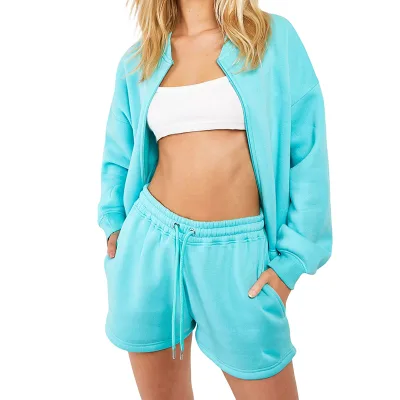
Sourcing a lightweight polyester cotton sweater and shorts set requires a nuanced understanding of fabric blends, seasonal fit, and manufacturing capabilities. These garments are typically categorized as casual women’s sets, often featuring long-sleeve cardigans or short-sleeve tops paired with matching shorts. The core material composition is a blend of polyester and cotton, which balances the durability and wrinkle resistance of synthetic fibers with the breathability and soft hand-feel of natural cotton. Buyers must recognize that "lightweight" in this context usually refers to summer or transitional season wear, though some listings may indicate winter suitability depending on knit density and weight. The primary appeal lies in the coordinated aesthetic, offering a ready-to-wear ensemble that simplifies styling for consumers while providing manufacturers with a clear template for bulk production.
The procurement landscape for these sets is characterized by high customization potential and a wide range of stylistic variations. Manufacturers frequently offer OEM and ODM services, allowing buyers to specify unique patterns, such as pure colors or stripes, and adjust collar styles from round necks to crew necks. Sleeve lengths vary significantly, with options ranging from three-quarter sleeves to short sleeves, catering to different climate preferences and fashion trends. Additionally, specific design elements like drop shoulders, crop fits, or straight fits can be requested to align with target market demographics. Understanding these variables is crucial for defining the product specification sheet accurately, ensuring that the final output matches the intended brand identity and functional requirements.
Product Scope and Observed Listing Signals
The market for polyester cotton sweater and shorts sets exhibits a diverse array of product models and stylistic attributes. Observed listings indicate a price range that reflects the variability in material quality, design complexity, and order volume. Buyers should note that while some sets are marketed as casual wear suitable for business, sports, or leisure occasions, others may emphasize specific features like side pockets or drawstring waist designs for added functionality. The presence of digital printing, screen printing, and embroidery options suggests that branding and logo placement are common customization requests. These signals indicate that the product category is not monolithic but rather a flexible platform for various fashion interpretations, requiring careful selection based on the end-user’s needs.
Seasonality and fit are critical factors that influence the suitability of these sets for different markets. While some products are explicitly labeled for summer wear, others may be designated for winter, highlighting the importance of verifying the knit weight and fabric composition for each specific model. The fit types observed include crop fits and regular fits, which cater to distinct body types and style preferences. Furthermore, the inclusion of accessories such as labels, hangtags, and specific packaging methods indicates that brand presentation is a key component of the value proposition. Buyers must evaluate these signals to determine which product variations align with their inventory strategy and customer expectations, ensuring that the selected items meet both aesthetic and practical standards.
Technical Specifications to Verify
Verifying technical specifications is essential to ensure that the ordered sets meet the required quality and performance standards. The fabric composition, typically a polyester-cotton blend, should be confirmed through lab testing to guarantee the stated percentage of each fiber, as this directly impacts the garment’s durability, shrinkage, and comfort. Buyers should also verify the knitting technique, as knitted fabrics offer different stretch and recovery properties compared to woven materials. Additionally, the sleeve length, collar style, and overall fit must be checked against the approved sample to ensure consistency across the production batch. These details are critical for maintaining brand integrity and preventing customer dissatisfaction due to fit or material discrepancies.
Packaging and labeling specifications are equally important for logistics and retail readiness. The standard packaging dimensions and methods, such as carton packing or individual polybags, should be agreed upon in advance to optimize shipping efficiency and protect the garments during transit. Labels and hangtags must comply with the destination market’s labeling laws, including fiber content, care instructions, and country of origin. Buyers should also confirm the availability of customization options for these elements, as they play a significant role in brand recognition. Ensuring that all technical specifications are clearly documented and verified before production begins helps mitigate the risk of defects and ensures a smooth supply chain process.
Compliance and Safety Documentation
Compliance with safety and regulatory standards is a non-negotiable aspect of sourcing apparel, particularly for products intended for international markets. Buyers must ensure that the polyester cotton blends used in the sweater and shorts sets meet the chemical safety regulations of the destination country, such as restrictions on harmful substances like azo dyes or formaldehyde. While specific certifications may vary by supplier and region, it is crucial to request test reports from accredited laboratories to verify compliance with relevant standards. This due diligence protects the brand from legal liabilities and ensures that the products are safe for consumer use, thereby maintaining trust and reputation in the marketplace.
In addition to chemical safety, buyers should verify that the manufacturing process adheres to social compliance standards, such as labor laws and workplace safety regulations. This is particularly important for products sourced from regions with varying regulatory environments. Requesting audit reports or certifications from recognized bodies can provide assurance that the supplier operates ethically and responsibly. Furthermore, buyers should ensure that all labeling and packaging comply with local consumer protection laws, including accurate fiber content declarations and care instructions. By prioritizing compliance and safety documentation, buyers can mitigate risks and ensure that their products meet the highest ethical and regulatory standards.
Cost Drivers and Commercial Terms
The cost of lightweight polyester cotton sweater and shorts sets is influenced by several key factors, including material costs, labor, and order volume. The price range observed in the market reflects these variables, with higher prices typically associated with more complex designs, premium materials, or smaller order quantities. Buyers should negotiate clearly defined commercial terms, including payment methods, delivery schedules, and return policies, to protect their interests. Understanding the cost structure allows buyers to make informed decisions about pricing strategies and profit margins, ensuring that the final retail price is competitive while maintaining profitability.
Minimum Order Quantities (MOQs) are another critical commercial term that impacts sourcing decisions. Suppliers may set MOQs based on production efficiency and material availability, requiring buyers to commit to a certain volume to secure favorable pricing. Buyers should assess their inventory needs and market demand to determine the appropriate MOQ, avoiding overstocking or stockouts. Additionally, shipping terms, such as FOB or CIF, should be clarified to understand who bears the risk and cost during transit. By carefully evaluating these commercial terms, buyers can optimize their procurement strategy and achieve better cost efficiency.
Supplier Qualification and Quality Control
Selecting a qualified supplier is paramount to ensuring the quality and reliability of the sourced products. Buyers should conduct thorough due diligence, including verifying the supplier’s business license, production capacity, and past performance. Requesting references or case studies from previous clients can provide insights into the supplier’s reliability and professionalism. Additionally, buyers should assess the supplier’s quality control processes, including in-line inspections and final random inspections, to ensure that the products meet the specified standards. A robust quality control system helps identify and rectify defects early in the production process, reducing the risk of receiving substandard goods.
Effective communication and collaboration with the supplier are also essential for successful sourcing. Buyers should establish clear channels of communication and regular update schedules to monitor production progress and address any issues promptly. Providing detailed product specifications and approved samples helps minimize misunderstandings and ensures that the final output aligns with expectations. Furthermore, buyers should consider conducting factory audits or third-party inspections to verify the supplier’s capabilities and compliance with agreed-upon standards. By prioritizing supplier qualification and quality control, buyers can build a strong partnership and ensure consistent product quality.
Long-Term Procurement Checks
Establishing long-term procurement checks is vital for maintaining a sustainable and efficient supply chain. Buyers should regularly review supplier performance metrics, including on-time delivery rates, product quality, and responsiveness to issues. This ongoing evaluation helps identify potential risks and areas for improvement, allowing buyers to take proactive measures to mitigate them. Additionally, buyers should stay informed about market trends and regulatory changes that may impact the sourcing of polyester cotton sweater and shorts sets. Adapting to these changes ensures that the procurement strategy remains relevant and competitive.
Building a diversified supplier base can also enhance supply chain resilience. Relying on a single supplier may expose buyers to risks such as production delays or quality inconsistencies. By cultivating relationships with multiple qualified suppliers, buyers can ensure continuity of supply and negotiate better terms. Furthermore, buyers should invest in continuous improvement initiatives, such as training programs for suppliers or updates to quality control protocols. These efforts contribute to a more robust and adaptable supply chain, enabling buyers to respond effectively to changing market conditions and customer demands.
FAQs
What materials are used in the sweater and shorts set?
The set is made from a blend of polyester and cotton. This combination offers durability and comfort suitable for summer wear while maintaining a soft texture for everyday use.
Can I customize the design of the sweater set?
Customization is available for this product line. Buyers can request specific patterns, colors, or branding details to meet their unique requirements for the women's sweater and shorts set.
Which sleeve styles are available for the sweater?
Various sleeve styles are offered including long sleeve, three-quarter sleeve, and short sleeve options. These variations allow buyers to select the most appropriate style for different seasonal needs.
What is the minimum order quantity for this set?
The minimum order quantity ranges from 5 to 500 pieces depending on the specific model and customization level. Buyers should confirm the exact MOQ with the supplier before placing an order.
How is the product packed for shipping?
Products are packed individually by sea or air, and sometimes in cartons for standard shipping. The packing standard ensures safe delivery while adhering to the specified dimensions of 40x30x2 cm.
Where are these sweater sets manufactured?
The products originate from Guangdong, China. This location is a known hub for textile manufacturing, ensuring efficient production and logistics for international buyers seeking these specific garment sets.
What fit types are available for the shorts and sweater?
Available fit types include crop fit, straight fit, and regular fit. These options cater to different body types and style preferences for the women's set collection.